Preparing Your Heating and Cooling System for Seasonal Changes in New Jersey
March 21, 2026
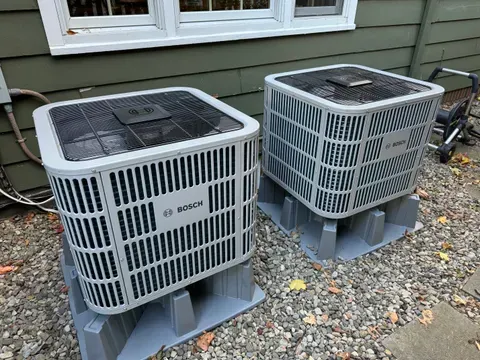
New Jersey’s climate is characterized by distinct seasonal shifts, ranging from hot, humid summers to cold, snowy winters. These fluctuations can put significant stress on your home’s heating, ventilation, and air conditioning (HVAC) system. Proper preparation for seasonal changes is crucial to maintaining comfort, ensuring energy efficiency, and preventing costly repairs. Homeowners often underestimate the impact of neglected HVAC maintenance, only realizing the consequences when their system fails during extreme weather conditions. Proactive seasonal preparation not only extends the lifespan of your equipment but also helps maintain consistent indoor air quality and temperature control, creating a safer and more comfortable living environment for you and your family.
In addition to protecting your home and budget, preparing your heating and cooling system for seasonal changes enhances overall system performance. Routine checks and maintenance measures allow your HVAC components to operate efficiently, reducing energy consumption and lowering utility bills. With professional guidance and practical strategies, homeowners can identify potential issues before they escalate into major problems. This guide will walk you through actionable steps for preparing your HVAC system for both summer and winter in New Jersey, highlighting best practices, expert tips, and real-world scenarios that ensure your system remains reliable throughout the year. By following these recommendations, you can avoid emergency breakdowns, improve comfort, and protect your investment.
1. Inspecting and Maintaining Heating Systems for Winter
Furnace and Boiler Inspection
As temperatures drop in New Jersey, your heating system becomes a lifeline for comfort and safety. Begin by inspecting your furnace or boiler at the start of the cold season. Look for signs of wear, such as unusual noises, rust, or visible leaks. Ensure that all safety devices, including the pilot light and pressure gauges, are functioning properly. Neglecting these inspections can lead to unexpected failures, especially during severe winter storms when repair services may be delayed.
Cleaning and Replacing Filters
Dirty air filters restrict airflow, forcing your heating system to work harder and consume more energy. Replace or clean furnace filters every 1–3 months, depending on usage and filter type. High-efficiency filters can trap smaller particles, improving indoor air quality and reducing allergens. For homeowners with pets or individuals prone to allergies, timely filter replacement is especially important to maintain healthy indoor air conditions.
Checking Ductwork and Vents
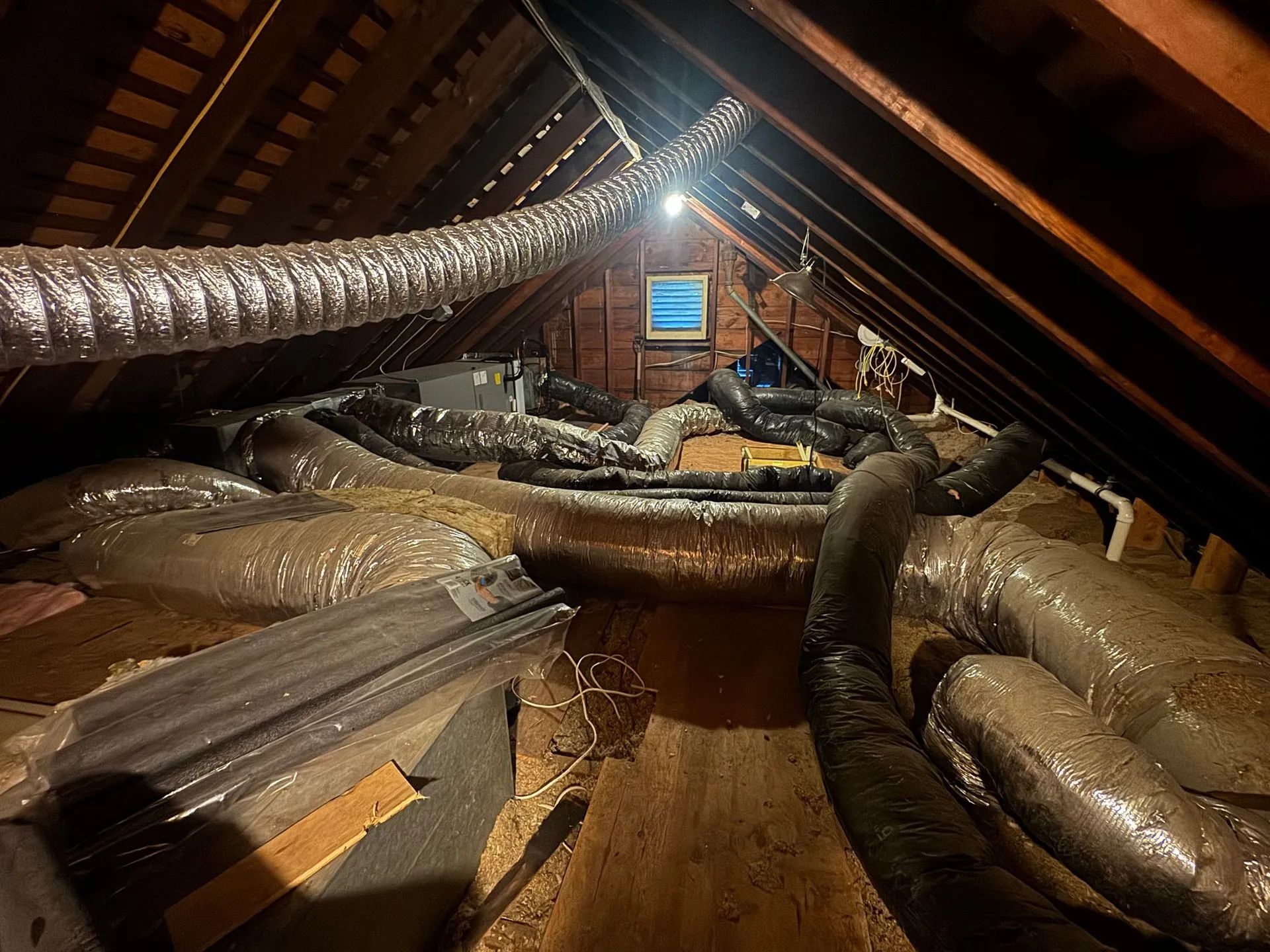
Leaky or poorly insulated ductwork can reduce heating efficiency by up to 30%, leading to uneven temperature distribution throughout your home. Inspect ducts for gaps, disconnected joints, or damaged insulation. Proper airflow ensures that heated air reaches every corner of your home efficiently, reducing the strain on your system and lowering energy costs.
Professional Heating Tune-Ups
Scheduling a professional heating system tune-up provides an in-depth evaluation that goes beyond basic inspections. Technicians can clean burners, test heat exchangers, check for carbon monoxide leaks, and calibrate thermostats. These expert services help identify potential hazards and optimize system performance. Routine professional maintenance is often more cost-effective than emergency repairs and can significantly extend the life of your heating system.
2. Preparing Cooling Systems for Summer
Air Conditioner Inspection
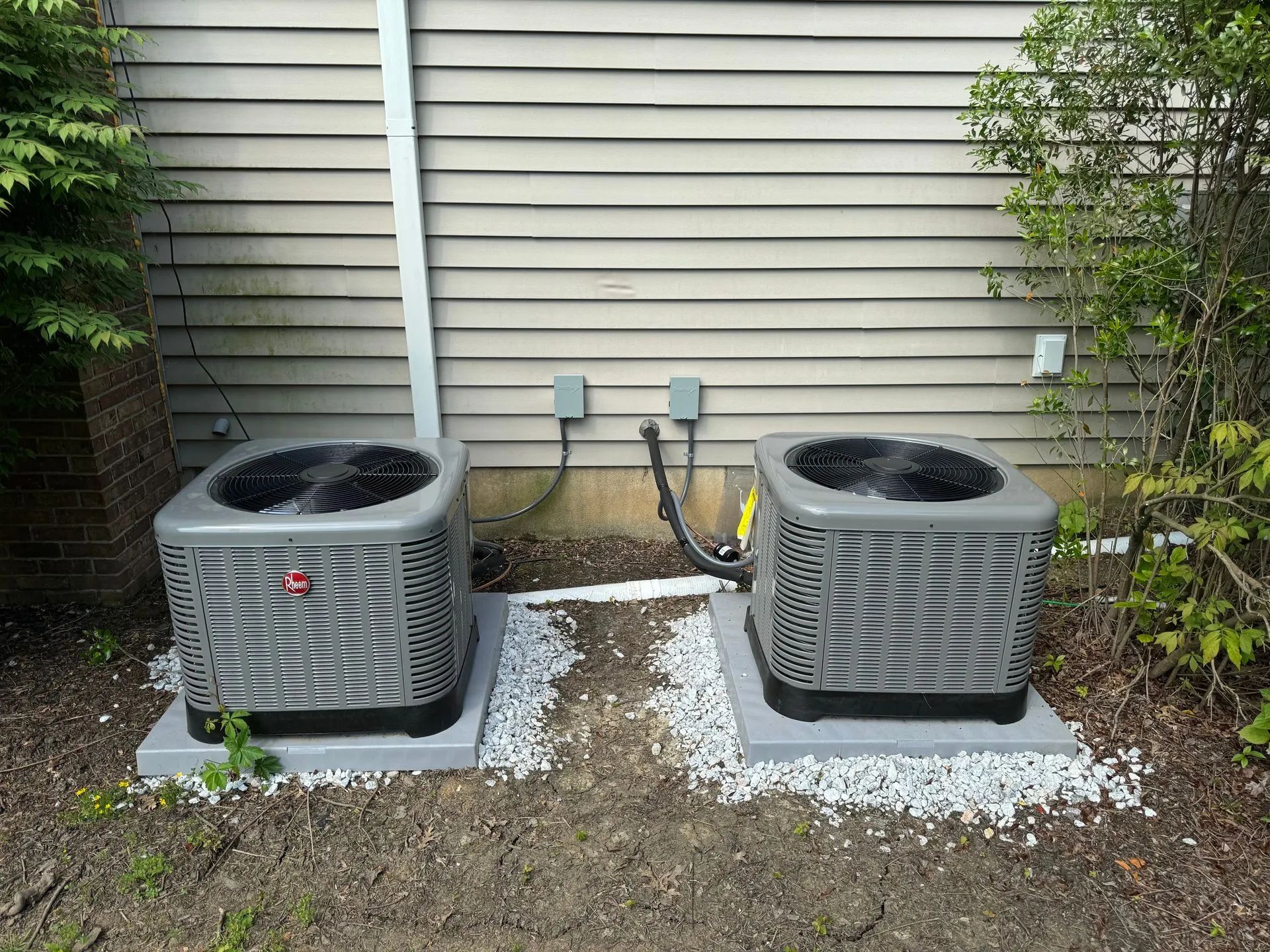
Summer in New Jersey can be hot and humid, making your air conditioning system vital for comfort. Begin by inspecting the AC unit before peak usage. Check for refrigerant leaks, inspect electrical connections, and ensure the outdoor condenser coil is clean and unobstructed. A thorough pre-season inspection helps prevent sudden breakdowns during extreme heat and maintains optimal system efficiency.
Cleaning Condenser Coils and Evaporator Units
Dust, dirt, and debris can accumulate on condenser coils and evaporator units, reducing cooling efficiency and increasing energy consumption. Clean these components annually, preferably before the start of summer, to ensure maximum heat exchange. Removing debris not only improves performance but also prevents long-term damage to the compressor, a critical and costly component of your cooling system.
Refrigerant Level Check
Proper refrigerant levels are essential for effective cooling. Low refrigerant can cause your system to run inefficiently, increase energy bills, and put undue stress on the compressor. A licensed HVAC technician should check and adjust refrigerant levels as needed. Handling refrigerants improperly can be dangerous and is regulated by law, so professional intervention ensures both safety and compliance.
Thermostat Calibration
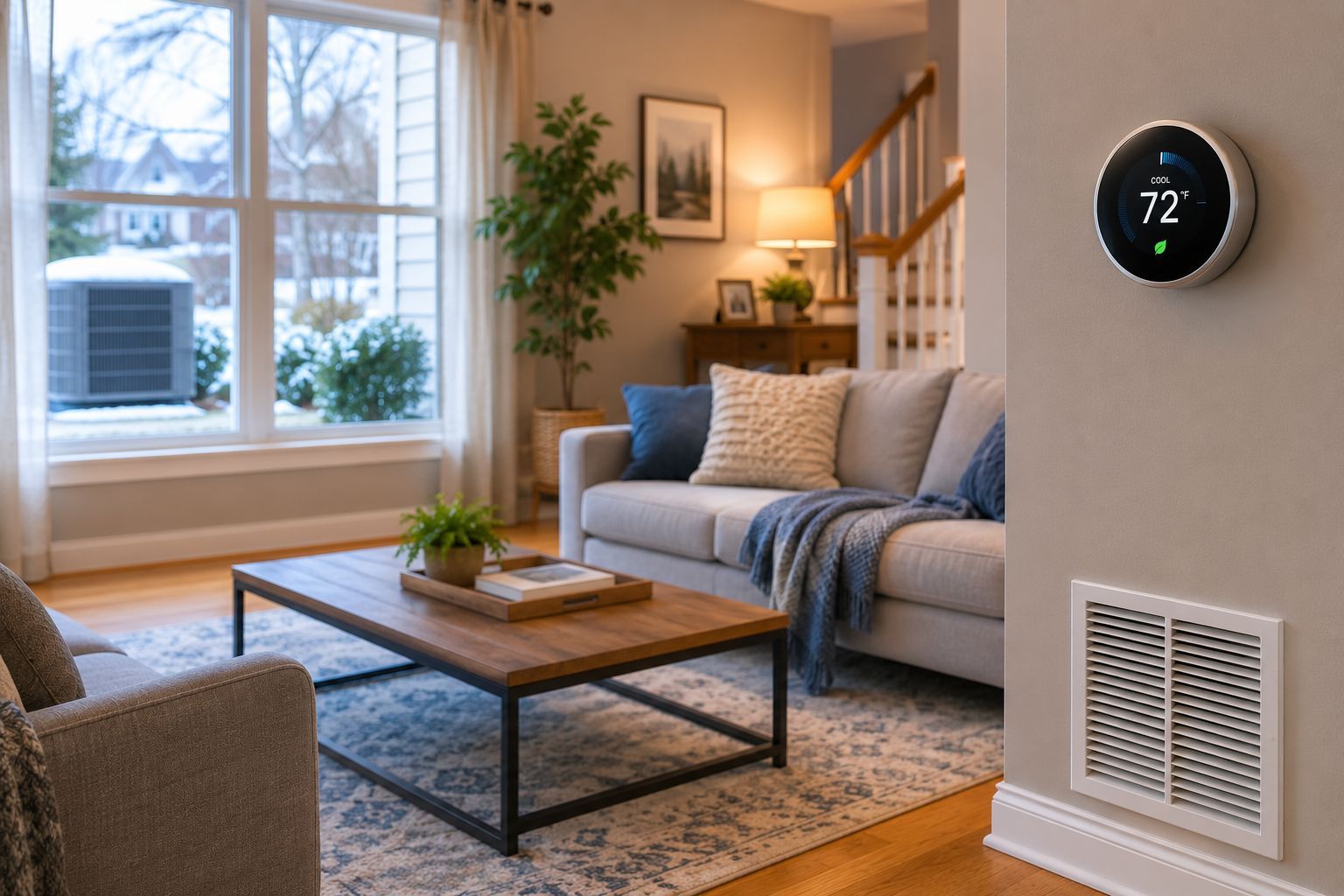
Modern programmable thermostats optimize comfort while reducing energy consumption. Check that your thermostat is accurately calibrated and consider programming it to match your daily schedule. Consistent and precise temperature control prevents unnecessary wear on your AC system while maintaining a comfortable indoor environment.
Duct and Vent Maintenance
Similar to heating systems, clean and well-sealed ducts improve airflow and cooling efficiency. Check for leaks, blockages, or areas where insulation may be compromised. Properly maintained ductwork ensures even cooling throughout the home, reduces energy waste, and minimizes the risk of hot or cold spots that affect comfort.
3. Seasonal HVAC Maintenance Checklist
Filter Replacement and Cleaning
Replacing filters on a regular schedule is the simplest yet most effective way to protect your HVAC system. For homes with high dust levels or pets, more frequent filter changes may be necessary. Always use manufacturer-recommended filters to ensure proper airflow and filtration efficiency.
Electrical System Checks
Loose wiring, corroded contacts, and damaged circuit breakers can cause system malfunctions or safety hazards. Regular electrical inspections by a qualified technician ensure that your HVAC system operates safely and reliably. This step is particularly important before seasonal transitions when heating or cooling demands increase.
4. Energy Efficiency and Cost Savings Strategies
Programmable and Smart Thermostats
Investing in programmable or smart thermostats helps homeowners reduce energy consumption without sacrificing comfort. These devices allow precise control over heating and cooling schedules, adapting to daily routines and occupancy patterns. By avoiding unnecessary heating or cooling, homeowners can save a significant portion of their energy bills while reducing wear on their system.
Insulation and Weatherproofing
Proper insulation and sealing around windows, doors, and ductwork enhance HVAC efficiency. Adding insulation to attics, basements, or crawl spaces helps maintain indoor temperature and reduces the workload on your heating and cooling system. Weatherstripping and caulking can prevent drafts, improving comfort and energy savings.
Zoning Systems
Zoning allows homeowners to control temperature in different areas of the house independently. This prevents over-conditioning of unused spaces, lowering energy consumption and providing personalized comfort. Zoning systems can be particularly beneficial for larger homes or multi-story residences common in New Jersey.
Regular Maintenance Agreements
Enrolling in a maintenance plan with a reputable HVAC contractor ensures that your system receives professional attention at scheduled intervals. Preventive maintenance helps identify minor issues before they escalate, improves efficiency, and prolongs system life. Many maintenance agreements also offer priority service during peak seasons, ensuring that you receive timely repairs when you need them most.
5. Addressing Common HVAC Challenges in Seasonal Transitions
System Overload During Extreme Temperatures
During New Jersey’s hottest and coldest months, HVAC systems often face maximum load conditions. Sudden spikes in temperature can strain older systems, leading to inefficiency or mechanical failure. Proactive preparation, including cleaning, inspections, and component checks, helps reduce the risk of overload. Homeowners can also manage demand by using ceiling fans, adjusting thermostat settings, and closing unused rooms to reduce load.
Indoor Air Quality Issues
Seasonal changes can bring increased humidity or dryness, affecting indoor air quality. High humidity encourages mold and mildew growth, while overly dry air can cause discomfort and respiratory irritation. Using dehumidifiers in summer and humidifiers in winter, combined with regular filter maintenance, helps maintain balanced indoor air conditions.
Emergency Repairs and System Lifespan
Neglecting seasonal preparation can lead to unexpected breakdowns requiring emergency service, which is often more expensive and inconvenient. Proper maintenance reduces the likelihood of critical failures and extends the overall lifespan of your heating and cooling system. Investing time in preparation now saves both money and stress later.
Expert Technicians Protecting Homes from Climate Extremes
Proper preparation of your heating and cooling system for seasonal changes is essential for comfort, efficiency, and longevity. Regular inspections, filter maintenance, ductwork care, and professional tune-ups ensure your system performs reliably year-round. Implementing energy-efficient strategies, like programmable thermostats, zoning, and weatherproofing, further enhances comfort while reducing utility costs. Being proactive also prevents unexpected breakdowns and costly repairs, allowing homeowners to enjoy consistent indoor temperatures during New Jersey’s extreme seasonal conditions.
At Brandy's Heating & Cooling, we understand the unique challenges of New Jersey’s climate. With 17
years of experience as a
trusted HVAC contractor in Boonton, New Jersey, we specialize in preparing heating and cooling systems for seasonal transitions. Our team provides comprehensive inspections, expert maintenance, and energy-saving solutions tailored to your home. By partnering with us, you gain peace of mind knowing your HVAC system is efficient, reliable, and ready for any seasonal change. Trust us to keep your home comfortable and your system performing at its best.