How to Lower Energy Bills During New Jersey's Cold Winters and Humid Summers
August 30, 2026
The Breakdowns We See Most in July and August
Frequently Asked Questions
Quick Answer: Lowering energy use in a New Jersey home comes down to five things working together: a thermostat set to the season instead of fought against, a house that's sealed and insulated well enough to hold the temperature it's paying to create, ductwork that isn't leaking conditioned air into an attic or crawlspace, a system sized correctly for the space it serves, and regular maintenance that keeps every part of that system running the way it was designed to. Skip any one of them and the others end up compensating, which means the equipment works harder and uses more energy than it should for months at a stretch.
You already know the pattern if you've lived through a full year in this state. January brings single-digit nights that make a furnace run almost nonstop, and by July the same house is fighting off humidity so thick it feels heavier than the heat itself. Few climates ask this much of a heating and cooling system, and few homes, especially the older colonials and split-levels scattered across Morris County, were built with today's energy standards in mind. The good news is that most of what pushes energy use up isn't the weather. It's a handful of fixable gaps between how a home is set up and how it's actually being run.
Set the Thermostat to Work With the Season, Not Against It
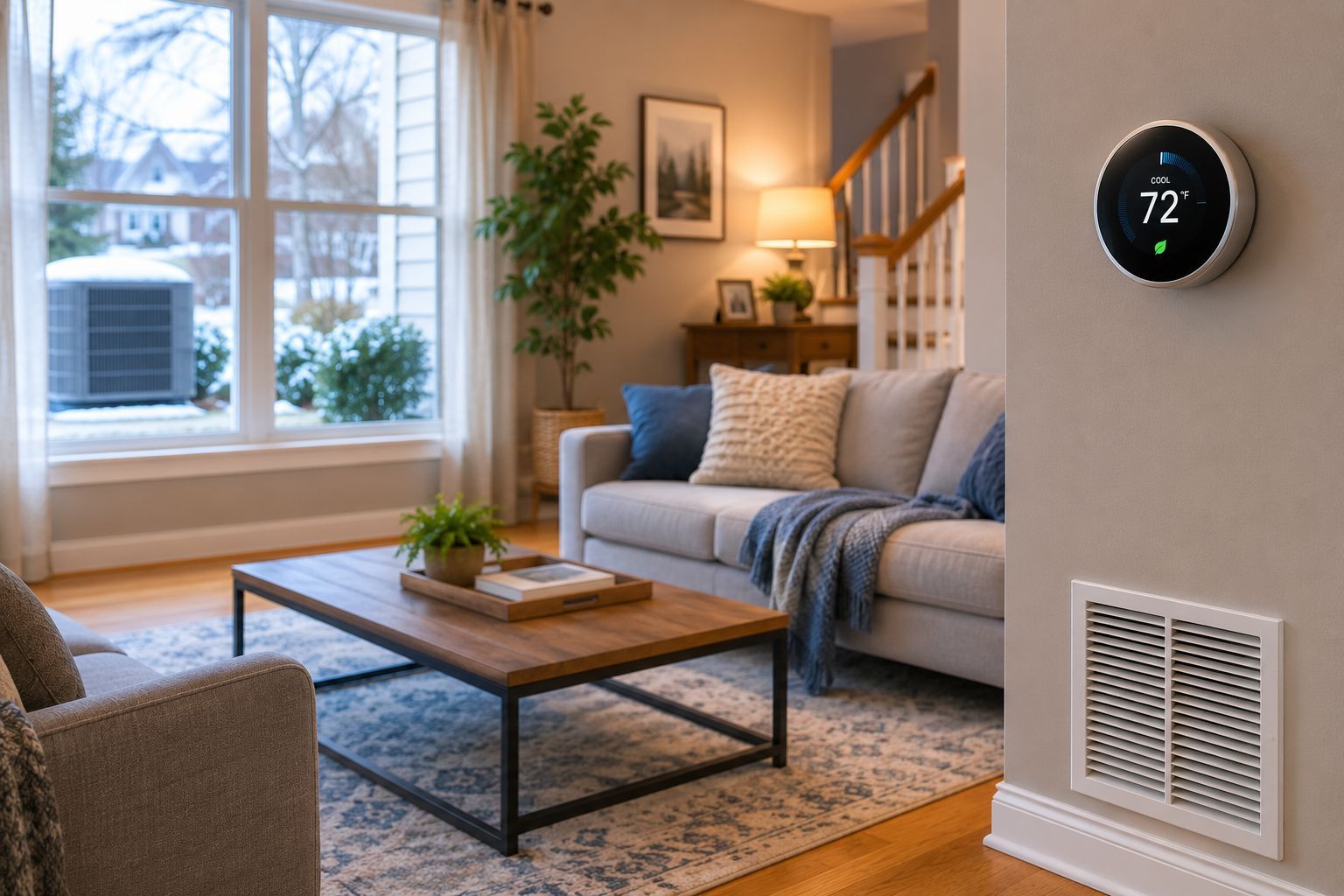
A thermostat left at one fixed number year-round is quietly working against you. During the winter, setting it back roughly seven to ten degrees for the eight or so hours a day nobody's home, or everyone's asleep, can cut a furnace's yearly energy use by close to ten percent. In summer, the same logic runs in reverse: letting the house drift a few degrees warmer while it's empty, then bringing it back down before anyone returns, asks a lot less of the AC than holding one temperature around the clock.
Smart and programmable thermostats make this easier to stick with.
Set the schedule once and the system handles the rest, no manual adjusting required at 6 a.m. before work. What actually wastes energy is the opposite habit: cranking the thermostat way up or down to "heat the house faster," which doesn't speed anything up and just runs the equipment longer than a normal cycle would.
Seal the Gaps Before You Touch the Equipment
A furnace or AC can be running at full efficiency and still lose the fight if the house around it is leaking conditioned air. Older Morris County homes, particularly colonials built before modern energy codes, tend to lose warm air through the same handful of spots every winter: gaps around window and door frames, an unsealed rim joist in the basement, an attic hatch with no weatherstripping, and recessed lighting that opens straight into the attic above.
Caulking and weatherstripping those gaps is quick, simple work that shows up almost immediately as reduced run time on the system. Attic insulation matters just as much. Heat rises, and a poorly insulated attic lets it escape all winter while doing the reverse in summer, absorbing outdoor heat and radiating it down into the living space below. A home that holds its temperature needs its system to run less often to maintain it, which is the whole goal.
Duct Leaks Waste Conditioned Air Before It Ever Reaches a Room
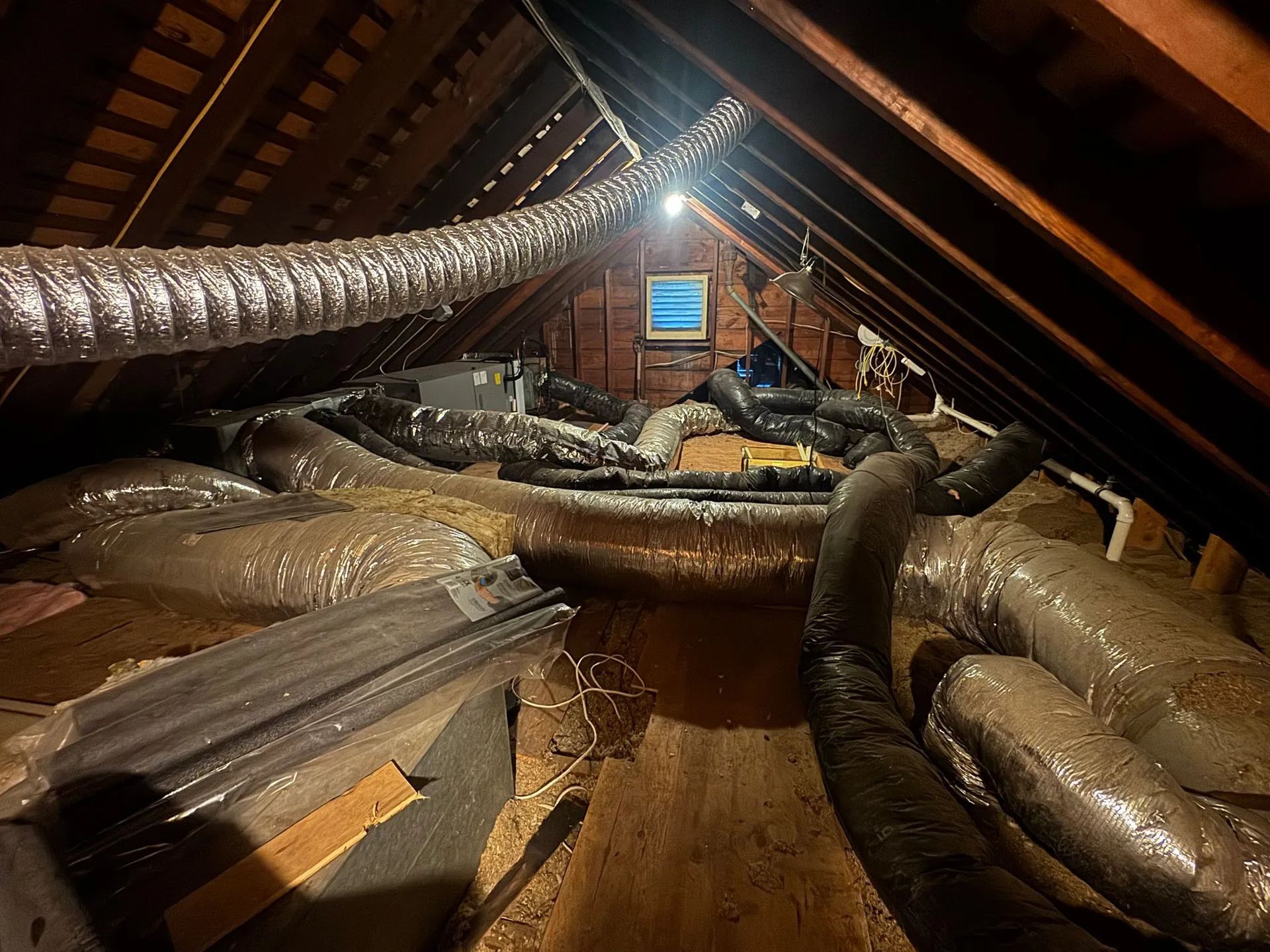
Here's something a lot of homeowners never think about: the air a system heats or cools has to travel through ductwork before it does any good, and that ductwork often runs through unconditioned attics, crawlspaces, or garages. Leaky or poorly insulated ducts can lose a meaningful share of that air along the way, meaning the equipment is generating comfort that never makes it to the room it was meant for.
This shows up most in two-story homes with additions or converted spaces, where duct runs are longer and harder to balance. A bedroom over the garage that never quite matches the rest of the house, or a second floor that lags behind the first, is often a duct problem rather than an equipment problem. Sealing seams with mastic, insulating ductwork in unconditioned spaces, and rebalancing airflow between floors all reduce how hard the system has to work to deliver the same result.
TIP: Check exposed duct sections in the basement or attic once a season. Look for gaps at the joints, crushed or disconnected flex duct, and insulation that's fallen away from the metal underneath. Catching a disconnected run early wastes far less energy than letting it run unnoticed through an entire winter.
A System Fighting Humidity Uses More Energy Than One That Isn't
New Jersey summers aren't just hot, they're wet, and an air conditioner that isn't managing humidity properly ends up working harder to deliver the same comfort. An oversized AC unit is often the surprising culprit. A system that's too big for the space cools the air quickly and shuts off before it's had time to pull enough moisture out, which leaves the house feeling clammy even at a low temperature. That triggers more cycling, more starts and stops, and more total energy used over the course of a humid week than a correctly sized system running longer, steadier cycles would use.
Getting the size right when a system is replaced, rather than defaulting to "bigger is safer," matters more than most people realize. In homes where humidity stays stubborn no matter how the AC is set, a standalone whole-home dehumidifier working alongside the cooling system can pull moisture out more efficiently than the AC alone, letting the thermostat sit a few degrees higher without the house feeling any less comfortable.
Filter Changes and Seasonal Tune-Ups Keep the System From Overworking Itself
A dirty air filter is one of the simplest things to fix and one of the most commonly ignored. Airflow restricted by a clogged filter forces the blower motor to work harder to push the same amount of air through the house, which raises energy use over something a homeowner can fix in about thirty seconds. Most filters need changing every one to three months, more often in a household with pets or during high-pollen stretches in spring.
Seasonal tune-ups matter for the same reason on a bigger scale. A spring check on the AC and a fall check on the furnace catch the small issues, a dirty coil, a refrigerant charge that's drifted, a blower losing efficiency, before they turn into the system quietly running harder all season to compensate. A technician cleaning a condenser coil or checking refrigerant levels is addressing exactly the kind of hidden inefficiency that shows up as longer run times without any obvious symptom.
Warning: If you're air-sealing a home that has a gas furnace or water heater with a natural draft vent, don't seal off the combustion air openings that supply that appliance. Cutting off its air supply can cause it to draw exhaust back into the house instead of venting it outside. Weatherization around a gas appliance should stop short of anything that restricts the air it needs to breathe, and that's a job worth having a professional look at rather than guessing.
Heat Pumps, Furnaces, and Matching Equipment to a Swing-Season Climate
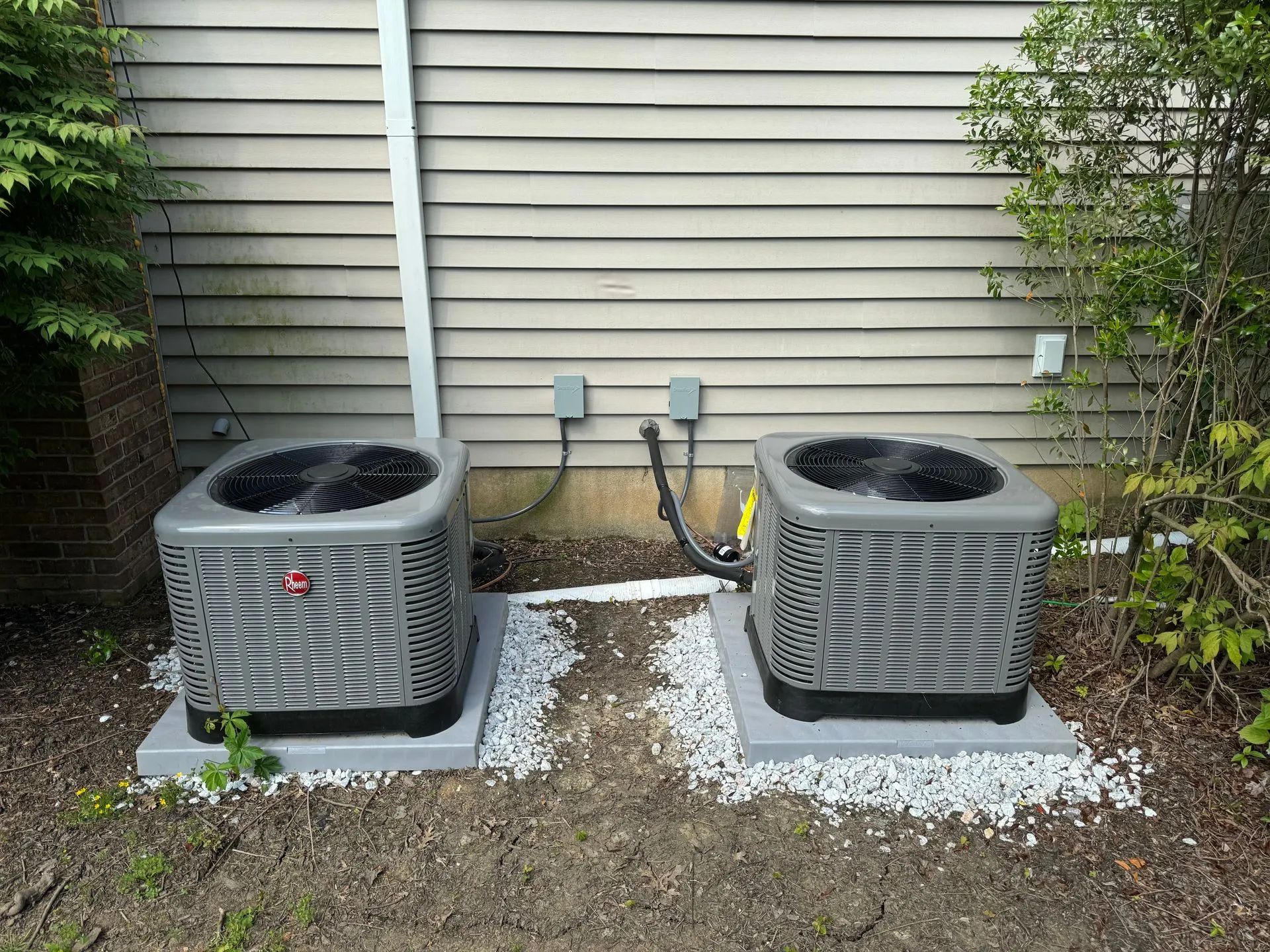
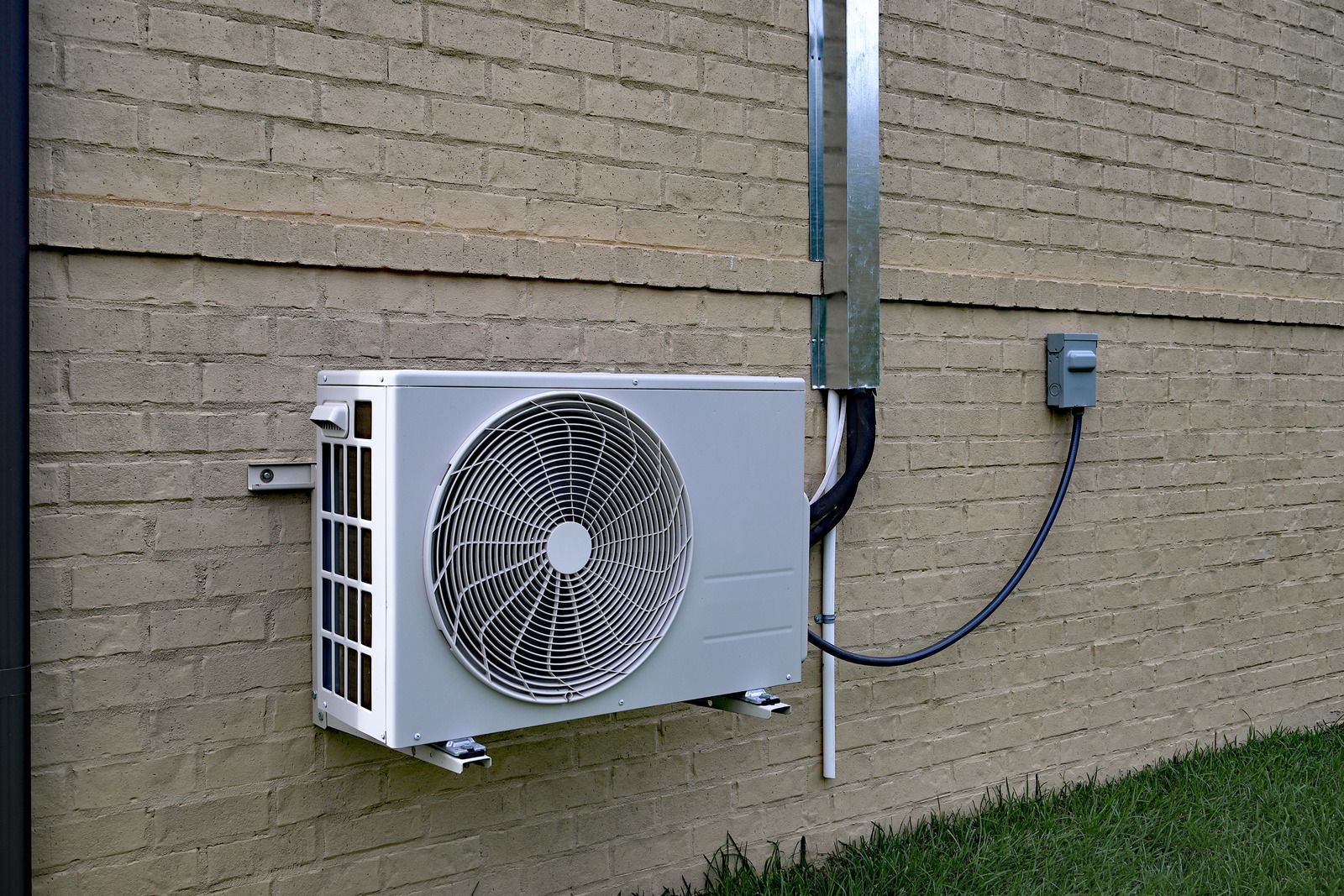
New Jersey sits in an odd spot climate-wise: cold enough in January that a heat pump alone can struggle on the coldest nights, but mild enough for most of the heating season that a heat pump handles the load efficiently on its own. That's part of why dual-fuel systems, a heat pump paired with a gas furnace as backup for the coldest stretches, have become a common upgrade for homes converting away from oil heat. The heat pump covers the bulk of the season efficiently, and the furnace only kicks in when temperatures drop low enough that it's the more efficient option.
Even without switching systems entirely, matching equipment to the home matters. A furnace or AC that's oversized for the square footage it serves cycles on and off more often than one sized correctly, and every start-up draws extra energy compared to a longer, steady run. This is worth thinking through carefully at replacement time rather than defaulting to whatever size was there before, especially in a home that's had insulation, windows, or an addition change since the original system went in.
Small Habits That Add Up Over a Full Season
Ceiling fans running counterclockwise in summer push cool air back down into the room, which lets the thermostat sit a couple degrees higher without anyone noticing the difference. In winter, reversing the fan direction pulls warm air down from the ceiling instead. Closing blinds or curtains on south- and west-facing windows during peak summer afternoon sun keeps a room from heating up in the first place, reducing how hard the AC has to work to counter it.
A fireplace damper left open in winter acts like a chimney pulling heated air straight out of the house, so closing it when the fireplace isn't in use is worth remembering. None of these habits replace a well-maintained, correctly sized system. They just mean that system isn't fighting an uphill battle on top of everything else it's already doing.
Frequently Asked Questions
What's the single change that makes the biggest difference in energy use?
Thermostat scheduling combined with air sealing usually delivers the biggest improvement. A well-sealed home retains conditioned air, while scheduled temperature adjustments prevent unnecessary heating and cooling when occupants are sleeping or away.
Should I close vents in unused rooms to save energy?
Usually, no. Closing vents can increase duct pressure and force conditioned air through leaks. Properly balancing dampers or installing zoning allows airflow to be managed efficiently without placing unnecessary strain on the HVAC system.
Does a smart thermostat actually change energy use, or just make scheduling easier?
A smart thermostat can do both. Scheduled temperature adjustments reduce energy consumption, while automation makes those settings consistent. The system saves energy even when homeowners forget to manually change the thermostat.
How often should ductwork actually be inspected in an older home?
Exposed ductwork should generally be checked annually, especially in attics, basements, and crawlspaces. Uneven temperatures, additions, or converted rooms may indicate problems requiring earlier inspection, sealing, insulation, or airflow balancing.
Is a heat pump a realistic option for a New Jersey winter?
Yes, modern heat pumps can efficiently handle much of a New Jersey winter. During especially cold periods, a dual-fuel system can use a furnace for backup. Proper sizing and insulation remain important for performance.
Does insulation matter more in the attic or the basement?
Attic insulation usually has the greater impact because heat escapes upward during winter and summer heat enters through the roof. However, basement rim joists and crawlspaces should also be properly sealed and insulated.
Maintaining Year-Round Energy Efficiency In New Jersey
Keeping energy bills manageable through New Jersey’s changing seasons starts with making sure the home can hold the comfort your heating and cooling system creates. Proper insulation, sealed ductwork, an appropriately sized system, and consistent maintenance all help reduce unnecessary runtime while keeping indoor temperatures more stable. These improvements are especially valuable in older homes, where small air leaks and outdated equipment can quietly increase energy consumption throughout the year.
For homeowners in Boonton, NJ, working with an experienced HVAC professional can also make it easier to identify inefficiencies before they become larger problems. With 17
years of experience, Brandy's Heating & Cooling
understands the demands that Northern New Jersey’s cold winters and humid summers place on
residential heating and cooling systems. A home that is properly prepared for each season can stay comfortable with less strain on its equipment, making efficient operation a practical year-round goal.