How New Jersey's Hot, Humid Summers Impact Your Air Conditioning System
June 30, 2026

It is the third week of July, the thermostat reads 74, and the air in your living room still feels like a wet dishrag. Your air conditioner has been running since breakfast. The floors feel tacky under bare feet, the back bedrooms never quite catch up, and a faint musty smell drifts from the vents every time the blower kicks on. You nudge the temperature down two more degrees, wait, and nothing changes except the steady hum of a system that refuses to shut off.
Here is the part most people miss. A New Jersey summer does not simply make your air conditioner work harder, it changes the job your system has to do. On a sticky afternoon, your unit spends nearly as much energy wringing moisture out of the air as it does lowering the temperature. When any piece of that process falls behind, your home feels clammy no matter what number sits on the wall. After opening up hundreds of systems across northern New Jersey in the dead of August, we can tell you the thermostat reading is almost never the real story.
Why Humid Air Makes Your AC Work Twice as Hard
Your air conditioner does two jobs at once, and humidity separates them. It cools the air, and it removes water. On a dry day those jobs overlap easily. On a New Jersey afternoon with the dew point in the low 70s, the moisture load becomes the heavier lift.
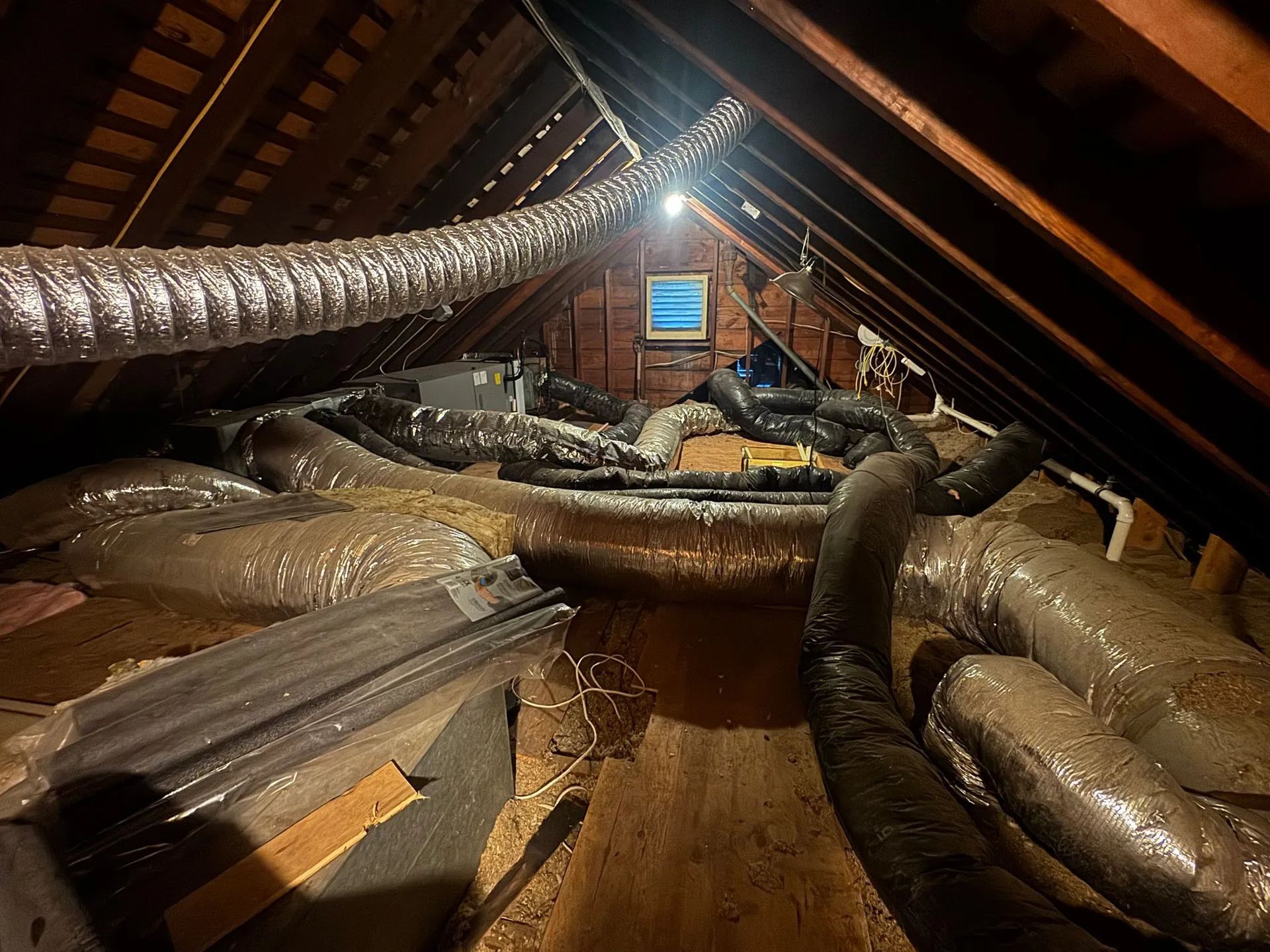
The cold evaporator coil inside your air handler pulls water out of the air as it passes through. That water drips into a pan and exits through a condensate drain line, and on a humid day the coil can shed several gallons in an afternoon. The system stays cool only when that moisture has somewhere to go and enough airflow keeps moving across the coil. Throttle the airflow or slow the drain and the balance tips. You end up with a house that reads cool but feels swampy, the single most common complaint we hear all season.
The House Feels Cool but Sticky
A clammy room at 72 degrees usually points to a dehumidification problem, not a temperature problem. The most frequent cause we find is a system that is too large for the home.
It sounds backward, but a unit sized too big cools the rooms in short bursts and shuts off before it runs long enough to pull real moisture from the air. We call this short cycling. The coil never gets the long steady runtime it needs to dry the air, so moisture stays trapped indoors and you feel cold and damp at once. Across this region, where many homes had oversized equipment dropped in years ago, we see it every summer.
The Breakdowns We See Most in July and August
Long runtimes and heavy moisture expose a system's weak points, and a few failures show up again and again once the heat arrives.
A clogged condensate drain tops the list. The water draining off the coil feeds algae inside the line, and when it backs up the pan overflows, water pools near your air handler, and a safety switch may shut the system down.
Frozen evaporator coil comes next. A dirty filter or low refrigerant starves the coil of airflow, the surface drops below freezing, and a block of ice builds up that stops cooling.
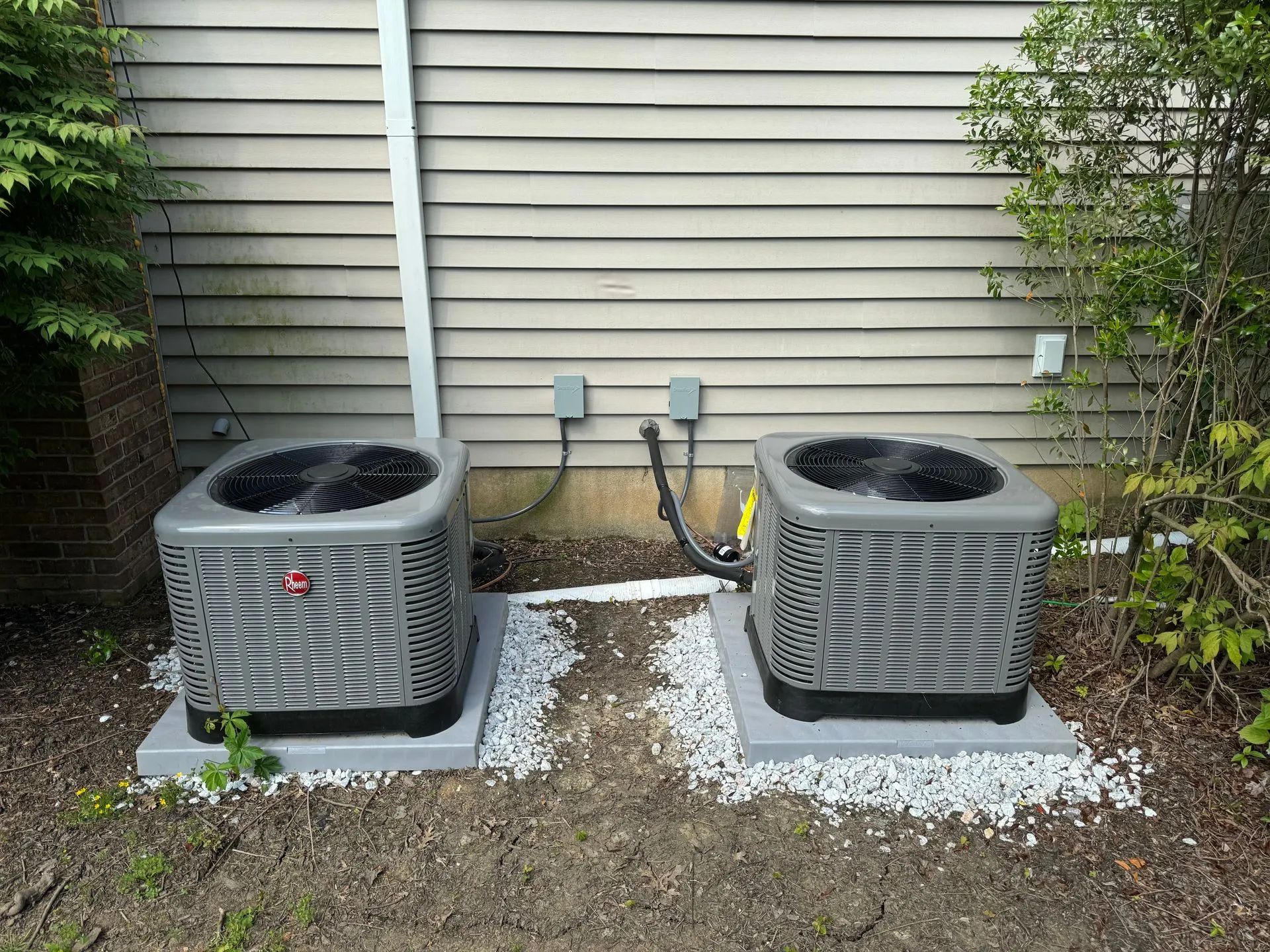
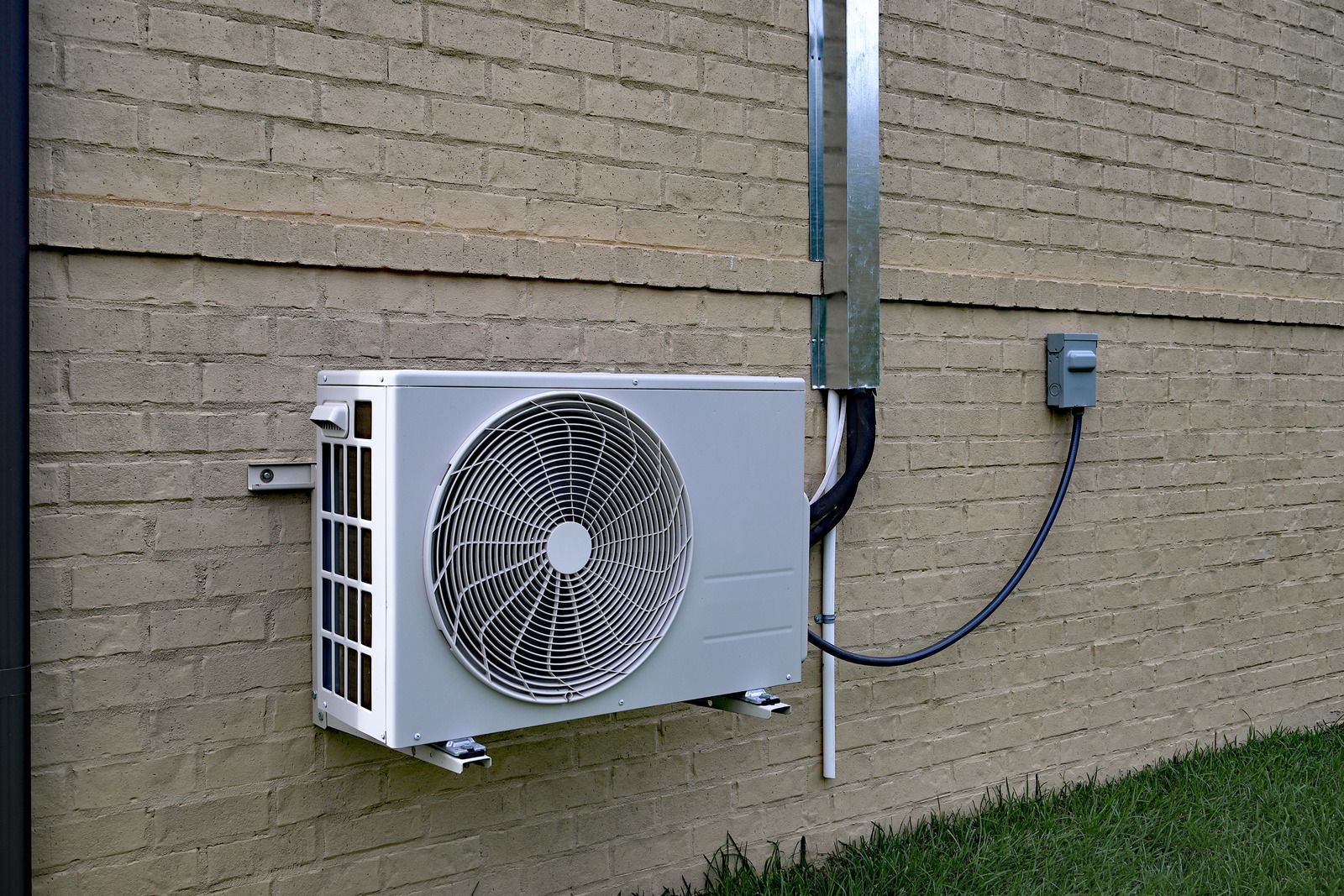
Clogged outdoor condenser. The unit outside rejects heat through a fin coil, and in this part of New Jersey it chokes with cottonwood fluff, grass clippings, and pollen by midsummer. A packed coil cannot dump heat, so the system runs longer and hotter for less cooling.
Worn compressor. Weeks of nonstop running in 90 degree heat wear hardest on the compressor, and a unit ten or more years old often gives out during the first real heat wave
What to Do Right Now When Your AC Falls Behind
When your system struggles in the heat, work through these steps before calling anyone.
- Pull the filter. If you cannot see light through it, replace it. A choked filter is behind more midsummer service calls than any other cause.
- Check the outdoor condenser. Clear leaves, grass, and cottonwood off the fins and leave two feet of clear space on every side.
- Look at the indoor unit and the lines running to it. Ice on the copper or water around the base means the system needs to shut down.
- Set the thermostat to a steady number and leave it there. Bouncing it around does nothing but add runtime.
WARNING: If you see ice on the refrigerant lines or the indoor coil, turn the system off at the thermostat and let it fully thaw before running it again. Running a compressor while the coil is frozen can drive liquid refrigerant back into it and cause a failure that is far more serious than the original problem.
TIP: Rinse your outdoor condenser coil with a gentle hose spray once a month through the summer. In this region cottonwood and pollen build up fast, and a clean coil can be the difference between a system that keeps up and one that quits during the worst week of the year.
Keeping Your System Ready for a New Jersey Summer
A little upkeep on a schedule prevents most of the failures above. Once a month through cooling season, swap or clean the filter and hose off the outdoor coil. Every spring, before the first hot stretch, flush the condensate drain line so it cannot clog when the moisture load climbs. Once a year, have the refrigerant charge and airflow checked, because a system that is even slightly low will freeze the moment a humid week hits. Over the longer term, if your home has felt damp for several summers, the fix is often correcting an oversized unit, not adding capacity.
Mistakes That Make Humid Weather Harder on Your AC
A few common habits backfire in this climate, and most come from reasonable instincts.
Cranking the thermostat far below your target feels like it should cool faster. It does not. The system cools at one rate either way, so you only force longer runtime and more wear. Closing vents in unused rooms seems efficient, but it raises duct pressure, starves the coil of airflow, and pushes it toward freezing. Skipping the filter change for a couple of months is easy, yet a clogged filter is the fastest path to a frozen coil. And assuming a bigger replacement unit cools better usually trades one problem for a worse one, since oversized equipment is what leaves a house cold and sticky.
Frequently Asked Questions
Why does my house feel humid even when the AC is running?
Your system cools the air but fails to pull enough moisture from it. This usually means the unit is oversized and short cycling, shutting off before it runs long enough to dehumidify the rooms. It can also mean airflow across the evaporator coil is choked by a dirty, loaded filter that never gets changed enough.
Can high humidity freeze my air conditioner?
Yes, indirectly. Humidity alone does not freeze the coil, but paired with a dirty filter, low refrigerant, or restricted airflow, the cold coil drops below freezing. Moisture in the humid air then condenses on it and freezes into a block of ice that stops cooling until you shut the system down and let it thaw.
How often should I change my filter in summer?
Check it monthly during cooling season and replace it whenever you cannot see light through the material. New Jersey summers run your system far longer than spring or fall, so filters load up faster than expected. A neglected one quickly chokes airflow, drops the coil below freezing, and leaves you with no cooling at all.
Why is water leaking near my indoor unit
The condensate drain line is almost certainly clogged. Every bit of moisture your coil pulls from the air drains through that single line, and warm humid weather feeds the algae and slime that block it. Once it backs up, the pan overflows and water pools around the air handler until someone clears the line completely.
Does humidity shorten my air conditioner's lifespan?
It can. A system fighting heat and moisture at the same time runs far more hours than one in a dry climate, and those extra runtime hours wear the compressor and blower motors faster than normal. We often see units in this part of New Jersey age out two or three years earlier than expected.
Experienced Cooling Help When the Humidity Hits Hard
The core principle is simple: in a New Jersey summer your air conditioner is fighting moisture as much as heat, and the moment that balance slips, your home feels clammy no matter what the thermostat says. Our region makes this harder than most, because the long humid stretches around Boonton's wooded hills and reservoir keep systems running and shedding water for weeks. With 17
years of field experience, Brandy's Heating & Cooling
keeps homes comfortable and dry through it all with
reliable air conditioning services. We serve all across Boonton, New Jersey, and the surrounding areas. When your system falls behind the humidity, reach out to us and we will get it caught up.