Winter Furnace Maintenance Tips for Homes in Morris County, NJ
February 28, 2026
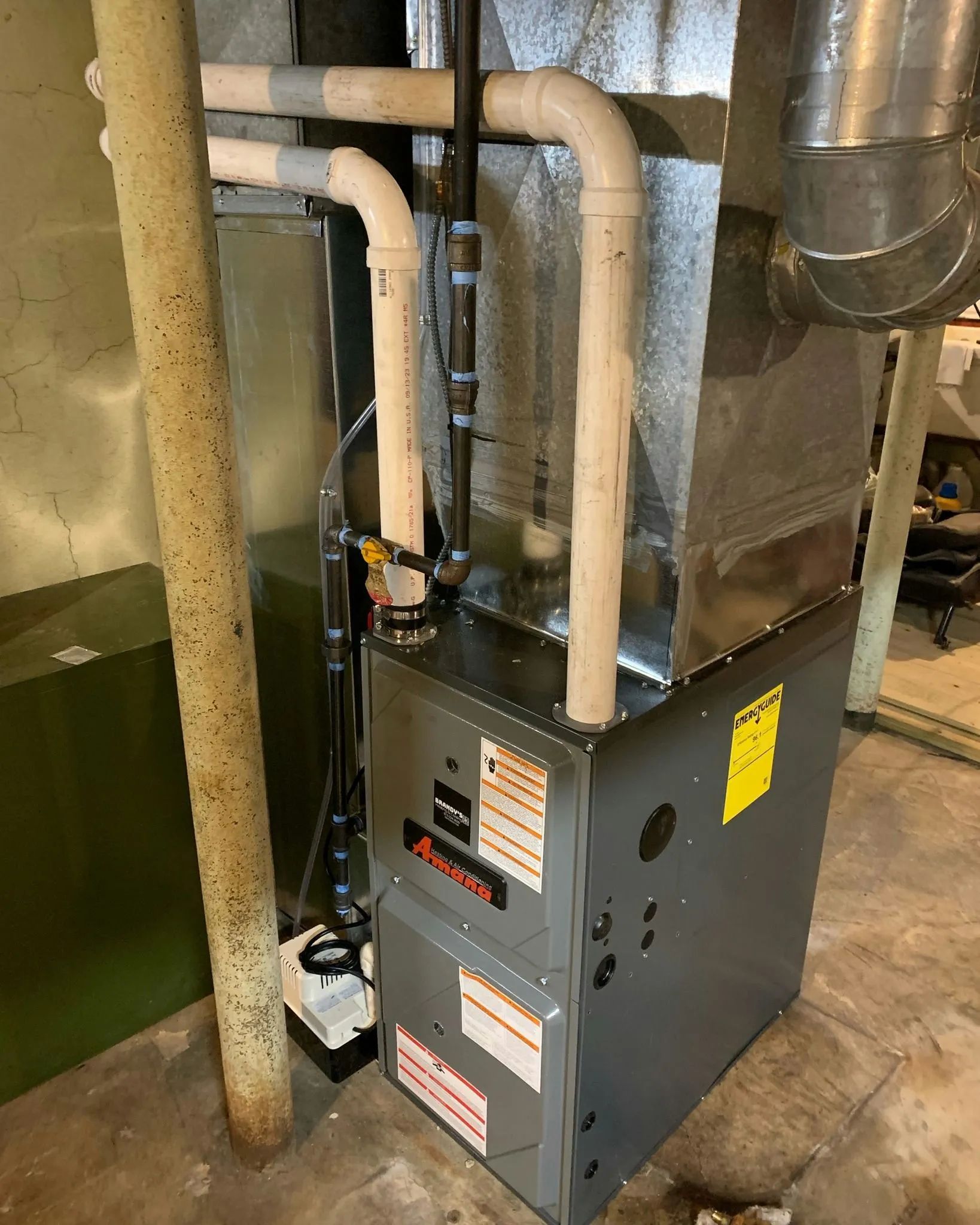
Winter in Morris County, NJ, is not just about picturesque snowfall and freezing mornings—it’s about ensuring your home’s heating system can handle prolonged cold snaps without fail. When temperatures drop below freezing, your furnace becomes one of the most critical systems in your home. Proper winter furnace maintenance is not optional; it is essential for safety, efficiency, and uninterrupted comfort. Homeowners who neglect seasonal upkeep often face higher energy bills, unexpected breakdowns, and potentially hazardous situations such as carbon monoxide exposure.
The HVAC industry consistently emphasizes preventive maintenance because it directly impacts system longevity and performance. In regions like northern New Jersey, where winter conditions can be severe and unpredictable, proactive furnace care helps homeowners avoid emergency repairs during peak heating demand. Regular inspections, timely filter replacements, airflow optimization, and safety checks can significantly reduce operational strain. This guide provides practical, expert-backed winter furnace maintenance tips tailored to Morris County homes, helping you maintain reliable heating performance, lower operating costs, and a safer indoor environment throughout the cold season.
1. Start with a Comprehensive Furnace Inspection
A structured inspection is the foundation of effective winter furnace maintenance. Before peak cold weather sets in, homeowners should evaluate their heating system’s condition thoroughly and document any visible performance concerns carefully.
Visual Inspection of Components
Begin by examining the furnace exterior and surrounding area. Ensure there are no stored items, debris, or flammable materials near the unit that could create safety hazards. Check for visible rust, corrosion, loose panels, or disconnected wiring that may indicate underlying mechanical wear. While homeowners can perform basic visual assessments, any concerning findings should prompt professional evaluation by a licensed HVAC technician.
Inspect the vent pipes for disconnections or rusting that could compromise exhaust flow. Improper venting can lead to dangerous exhaust backflow, especially in tightly sealed homes common in Morris County suburbs during winter.
Listen for Unusual Sounds
A well-functioning furnace operates with a steady, low hum during heating cycles. Banging, rattling, or screeching noises may indicate loose components, blower motor issues, or belt wear developing internally. Addressing these sounds early can prevent system-wide damage and expensive mid-season repairs.
For example, a Morris County homeowner who ignores a persistent rattling noise may later discover a failed blower motor during a January cold snap—resulting in costly emergency service and extended indoor discomfort.
Check the Thermostat Accuracy
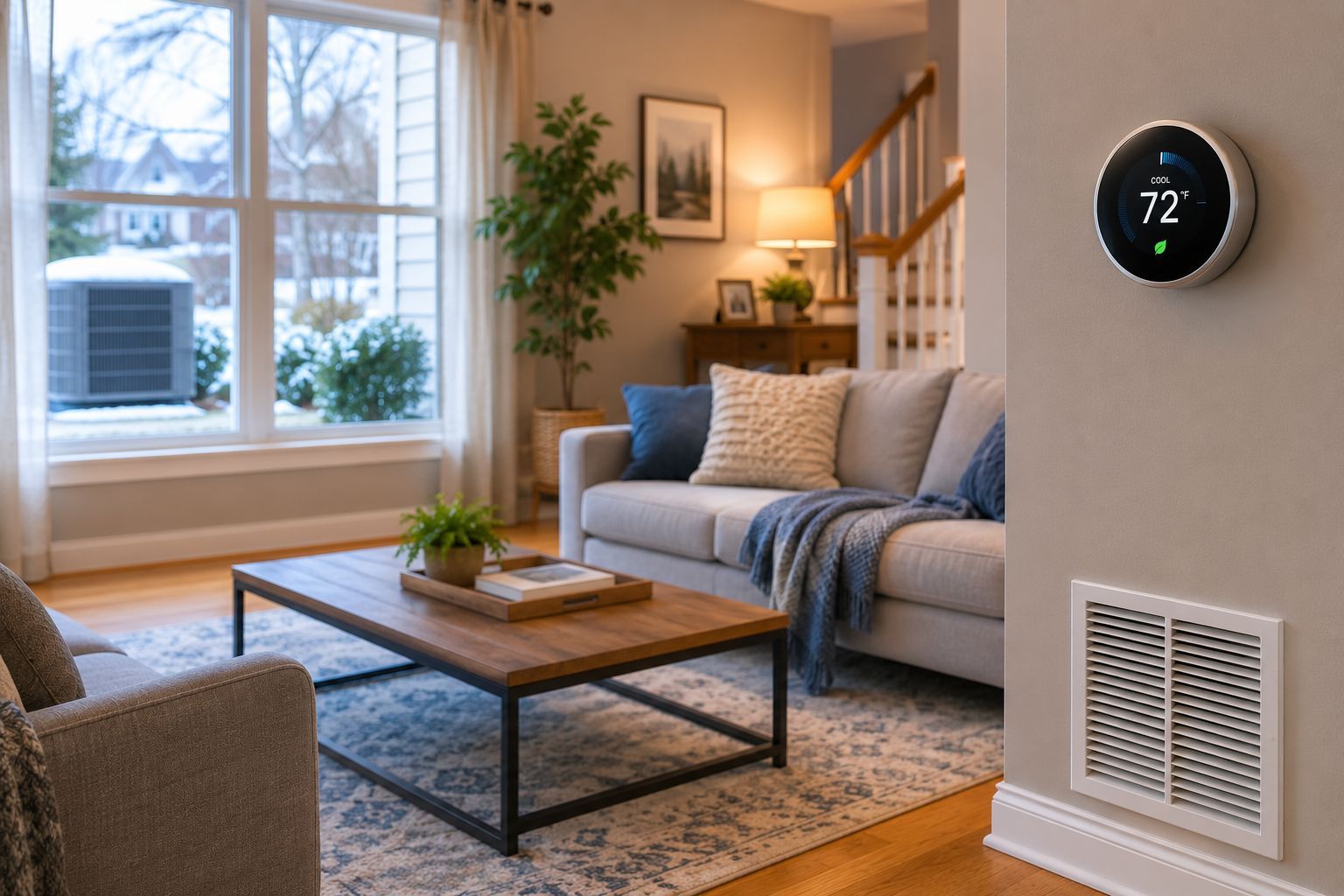
Set your thermostat a few degrees higher and observe how quickly and smoothly the furnace responds to the adjustment. If there is delayed ignition, uneven heating, or short cycling, calibration or internal component issues may exist requiring prompt correction.
An accurate thermostat ensures efficient fuel usage and consistent comfort, especially during extended freezing temperatures common throughout northern New Jersey winters.
2. Replace and Upgrade Air Filters for Optimal Performance
Air filter maintenance is one of the simplest yet most impactful furnace care steps homeowners can consistently perform themselves.
Why Filter Changes Matter
Clogged filters restrict airflow, forcing your furnace to work harder during every heating cycle. This leads to higher energy consumption, uneven heating, and potential overheating that stresses critical internal components. In colder climates like Morris County, furnaces run frequently, accelerating filter buildup throughout the winter season.
Experts recommend checking filters monthly during winter and replacing them every 1–3 months depending on household conditions, indoor air quality levels, and occupancy.
Choosing the Right Filter
High-efficiency pleated filters capture more dust, allergens, and particulates than basic fiberglass filters commonly installed in older systems. However, selecting a filter with too high a MERV rating without verifying system compatibility can restrict airflow and reduce overall furnace efficiency.
Homes with pets or residents sensitive to allergens may benefit from higher-efficiency filters for improved indoor air quality, but consultation with an HVAC professional ensures proper selection and safe performance.
Real-World Impact on Energy Bills
Studies consistently show that replacing dirty filters can reduce furnace energy consumption by up to 15 percent under normal operating conditions. For homeowners in Morris County facing rising utility costs, this simple step contributes directly to measurable seasonal savings and improved heating reliability.
3. Ensure Proper Airflow and Ductwork Efficiency
Heating performance depends not just on the furnace itself but also on how effectively warm air travels through your home’s duct distribution system.
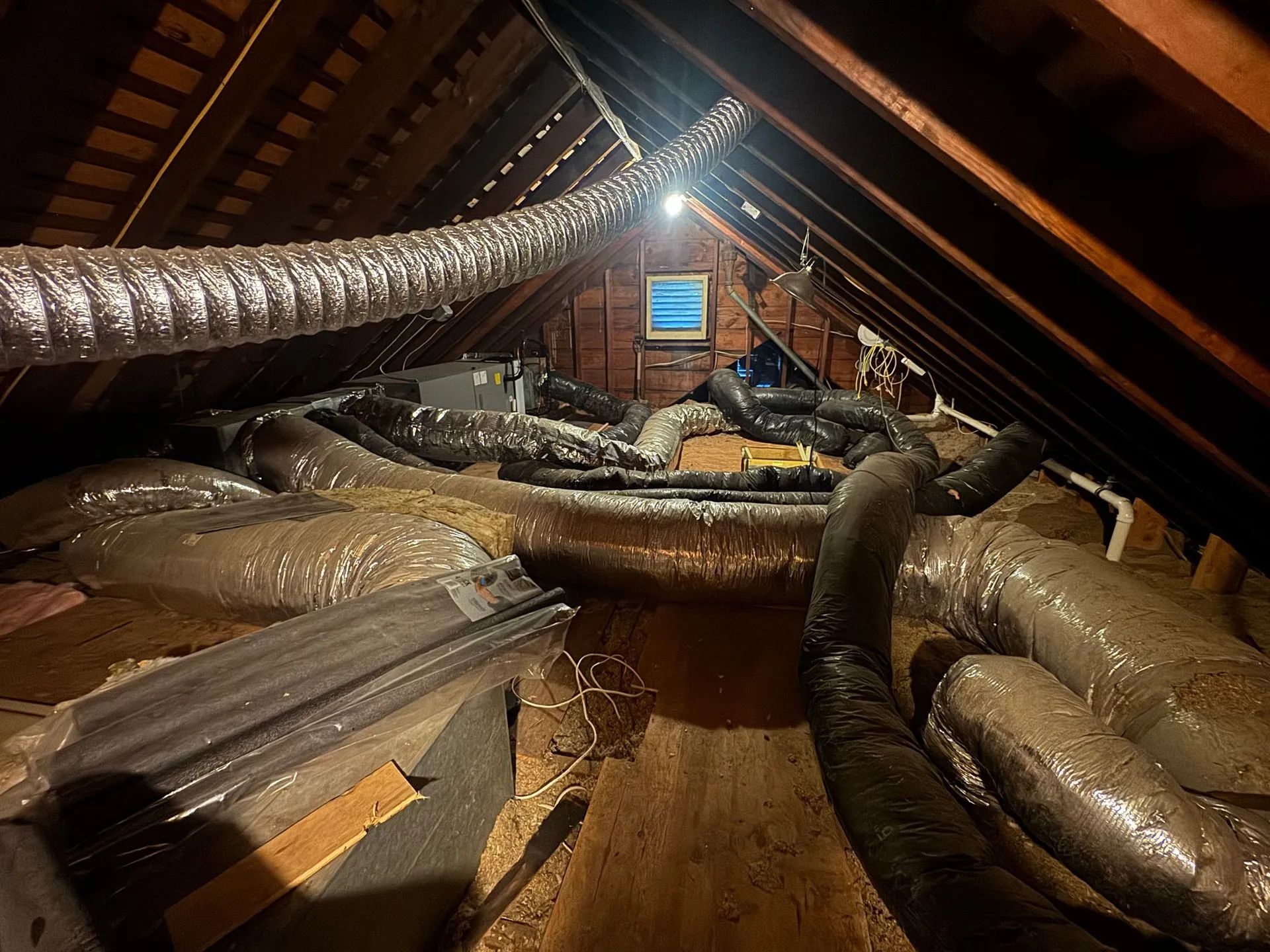
Inspect and Seal Ductwork
Balance Indoor Air Pressure
Closed interior doors and obstructed returns can create pressure imbalances throughout the home. Maintaining proper air circulation ensures the furnace does not overcompensate to achieve target temperatures, reducing wear and tear on critical components.
4. Prioritize Safety: Carbon Monoxide and Combustion Checks
Winter furnace maintenance must prioritize safety, particularly in gas-powered systems operating continuously during colder months.
Test Carbon Monoxide Detectors
Carbon monoxide (CO) is odorless and potentially fatal when undetected in enclosed spaces. Every home should have functioning CO detectors on each level and near sleeping areas for maximum safety coverage. Replace batteries annually and test units monthly to ensure dependable performance.
In cold regions where furnaces operate continuously, detector reliability is critical for household protection. If an alarm sounds, leave the home immediately and contact emergency services without delay.
Inspect the Heat Exchanger
Cracked heat exchangers can leak carbon monoxide into living spaces, posing serious health risks. While this component requires professional inspection, homeowners should schedule annual maintenance to ensure safe operation and long-term system integrity.
Professional technicians use specialized tools and combustion analysis equipment to detect microfractures not visible to the naked eye during routine visual checks.
Verify Proper Combustion and Flame Color
A healthy gas furnace flame burns blue under proper combustion conditions. Yellow or flickering flames may indicate incomplete combustion, often due to dirty burners, restricted airflow, or improper gas-air mixtures. Immediate professional service is recommended if abnormal flame behavior is observed to prevent hazardous exposure and system damage.
5. Schedule Professional Preventive Maintenance
While homeowners can manage basic upkeep, professional servicing remains essential for long-term performance.
Annual Tune-Ups
A licensed HVAC technician performs detailed diagnostics including:
- Cleaning burners and flame sensors
- Inspecting electrical connections
- Lubricating moving parts
- Testing safety controls
- Measuring airflow and gas pressure
These services reduce breakdown risks and ensure code compliance.
Extending Furnace Lifespan
The average furnace lifespan ranges from 15 to 20 years. Consistent professional maintenance can extend operational life and delay costly replacement.
In Morris County, where winters can be harsh, systems without maintenance often fail prematurely due to overexertion.
Warranty Protection
Many manufacturers require documented annual maintenance to preserve warranty coverage. Skipping service may void protection, leaving homeowners responsible for full repair costs.
6. Improve Energy Efficiency with Smart Upgrades
Beyond maintenance, strategic upgrades enhance winter heating performance.
Consider Zoning Systems
Evaluate Insulation and Home Envelope
Furnace efficiency depends heavily on home insulation. Attic insulation, weatherstripping, and sealed windows reduce heat loss, allowing the furnace to operate less frequently.
An energy audit can identify insulation gaps and recommend improvements tailored to the home’s structure.
Local Furnace Maintenance Experts Delivering Reliable Results
Winter furnace maintenance is a critical responsibility for homeowners in Morris County, NJ. From inspecting components and replacing filters to sealing ductwork and prioritizing carbon monoxide safety, proactive care directly impacts comfort, efficiency, and household safety. Harsh winter conditions place consistent demand on heating systems, making preventive strategies far more cost-effective than emergency repairs. By combining homeowner diligence with professional servicing, residents can protect their investment, lower utility expenses, and ensure reliable warmth throughout the season. Strategic upgrades such as smart thermostats and improved insulation further enhance performance and long-term savings. Consistent attention to maintenance not only extends furnace lifespan but also reduces stress during peak winter months. Preparing early, addressing warning signs promptly, and following expert recommendations ensure that your home remains safe, efficient, and comfortable, no matter how severe the winter weather becomes.
Brandy's Heating & Cooling, an experienced HVAC contractor based in Boonton, New Jersey, brings 17
years of hands-on expertise serving homeowners throughout Morris County. The company understands the specific heating demands of northern New Jersey winters and provides comprehensive furnace inspections, maintenance services, and energy-efficient system solutions tailored to local homes. With a strong commitment to safety, precision workmanship, and customer-focused service, we help clients prevent breakdowns, reduce energy costs, and extend system lifespan. Their knowledgeable technicians stay current with evolving HVAC technologies and safety standards, ensuring each system operates at peak efficiency. For homeowners seeking dependable winter
furnace maintenance
and long-term heating reliability, Brandy's Heating & Cooling
stands as a trusted local authority dedicated to delivering consistent comfort and professional excellence.