How Often Should You Service Your HVAC System in Boonton, NJ?
April 26, 2026
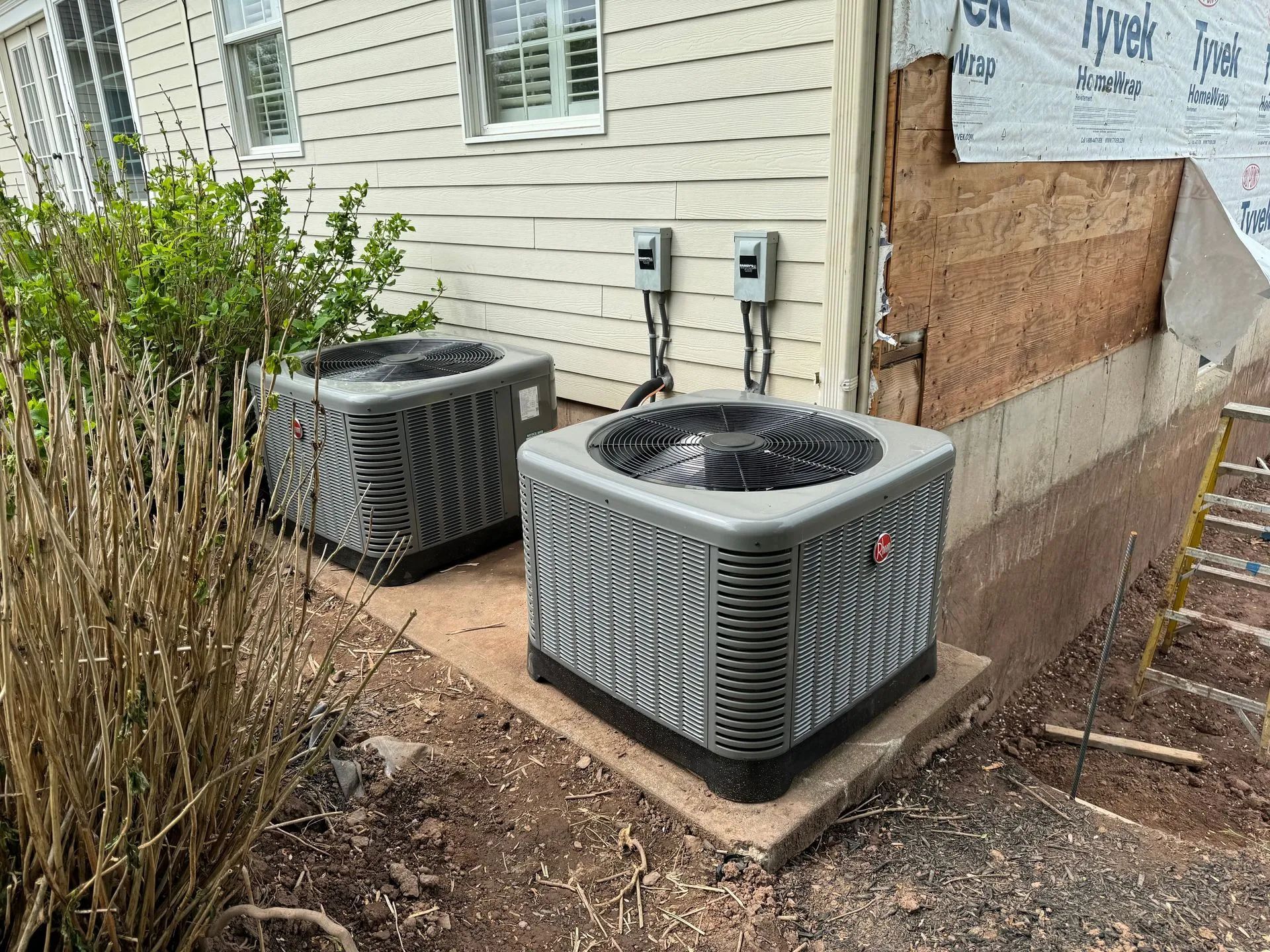
Maintaining a comfortable indoor environment in Boonton, NJ requires more than simply installing a reliable HVAC system. With seasonal temperature extremes ranging from humid summers to freezing winters, heating and cooling equipment works continuously to keep homes and businesses comfortable. Over time, this constant operation leads to wear and tear, reduced efficiency, and potential system failures if not properly maintained. Understanding how often to service an HVAC system is essential for ensuring consistent performance, lower energy costs, and long-term equipment reliability.
Routine HVAC servicing is not just a recommendation—it is a critical component of responsible property ownership. Regular inspections and maintenance help identify minor issues before they escalate into costly repairs or complete system breakdowns. Additionally, well-maintained systems operate more efficiently, improving indoor air quality while reducing energy consumption. For property owners in Boonton, establishing a structured maintenance schedule tailored to local climate demands and system usage is key to maximizing the lifespan and performance of HVAC equipment.
1. Understanding HVAC Service Frequency
Why Regular Maintenance Matters
HVAC systems are complex mechanical units composed of multiple moving parts, electrical components, and airflow systems working together continuously. Over time, dust accumulation, component wear, and environmental factors can significantly impact overall performance and system efficiency. Without routine servicing, systems are more likely to experience inefficiencies, unexpected breakdowns, and increased energy consumption over prolonged periods.
Regular maintenance ensures that all components are functioning correctly, refrigerant levels are properly balanced, filters are clean, and airflow is unobstructed throughout the system. These factors collectively contribute to optimal system performance, improved reliability, and consistent indoor comfort across all seasons.
General Industry Recommendations
Most HVAC professionals recommend servicing systems at least twice a year—once in the spring for cooling systems and once in the fall for heating systems to ensure readiness. This biannual schedule aligns with seasonal transitions, ensuring systems are fully prepared for peak usage periods and varying temperature demands.
However, frequency may vary depending on factors such as system age, usage intensity, and environmental conditions affecting performance. For example, systems in high-use households or commercial spaces may require more frequent inspections and tune-ups to maintain consistent efficiency and reliability.
2. Seasonal Maintenance Requirements in Boonton, NJ
Preparing for Harsh Winters
Winters in Boonton can be particularly demanding on heating systems due to extended cold spells and fluctuating temperatures. Furnaces and heat pumps often operate continuously for extended periods, increasing the risk of wear and mechanical issues developing over time. Pre-winter servicing typically includes inspecting burners, checking heat exchangers, testing safety controls, and ensuring proper airflow throughout the entire system.
Failure to prepare for winter can result in reduced heating efficiency or complete system failure during critical periods of extreme cold weather. Routine servicing helps ensure reliable operation, improved safety, and consistent performance when temperatures drop significantly.
Optimizing Cooling Performance for Summer
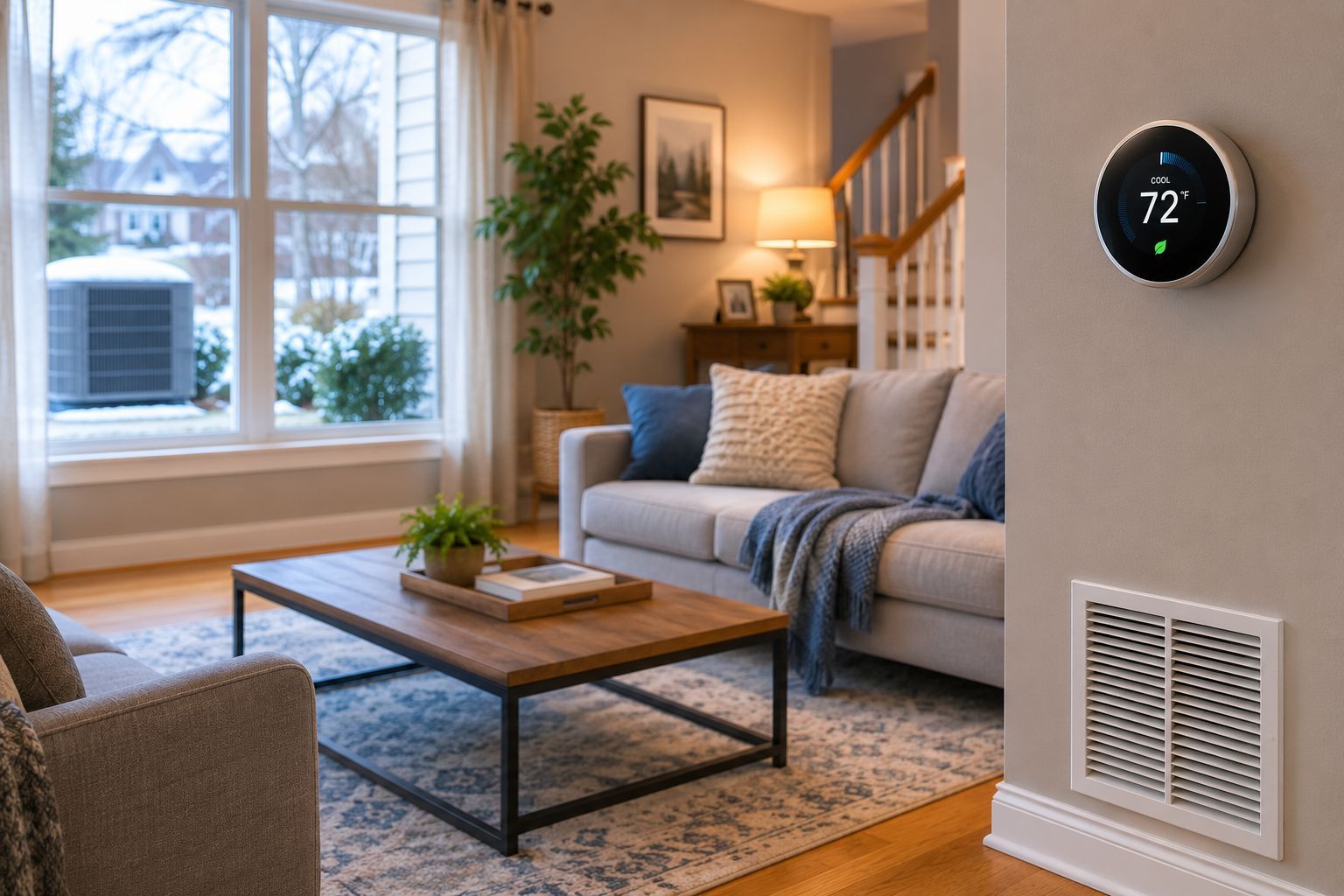
Summers bring high humidity and elevated temperatures, placing additional strain on air conditioning systems operating throughout the day. Pre-summer maintenance focuses on cleaning condenser coils, checking refrigerant levels, inspecting electrical connections, and ensuring proper thermostat calibration for accurate temperature control.
A well-maintained cooling system not only improves comfort but also reduces energy bills by operating more efficiently during peak demand periods. Skipping this step can lead to poor cooling performance, uneven temperatures, and increased operational costs over time.
3. Factors That Influence Service Frequency
System Age and Condition
Usage Patterns and Property Type
Environmental Factors
Local environmental conditions play a significant role in determining maintenance frequency and overall HVAC system performance in different seasons. In Boonton, seasonal pollen, humidity, and temperature fluctuations can directly impact system efficiency and air quality.
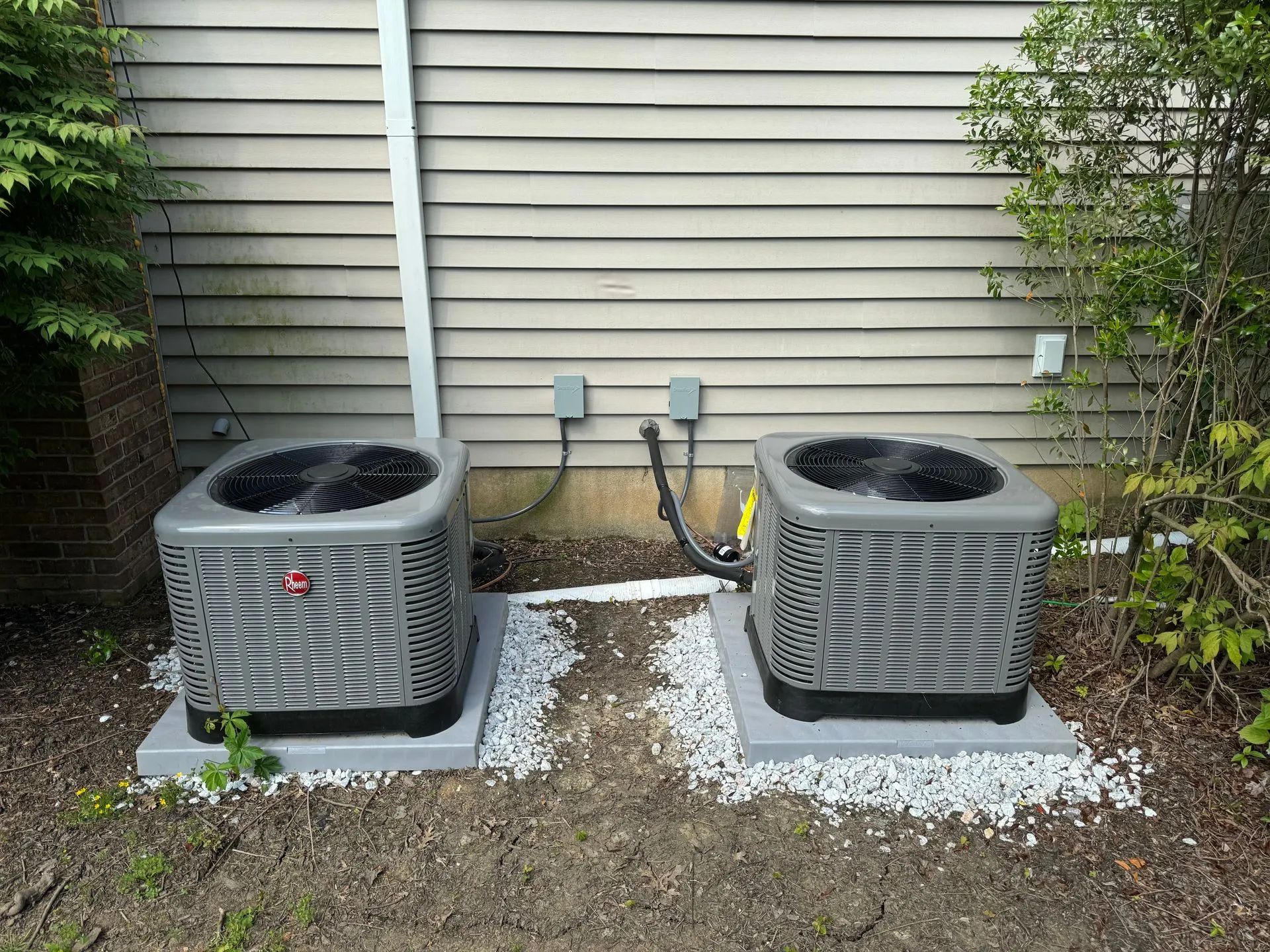
Outdoor units may accumulate debris such as leaves, dirt, and other contaminants, while indoor components may be affected by dust and airborne allergens. Regular cleaning, inspection, and servicing help mitigate these issues and maintain consistent system efficiency.
4. Key Components Checked During HVAC Servicing
Air Filters and Airflow Systems
Air filters are one of the most critical components in any HVAC system, directly affecting airflow and indoor air quality. Dirty or clogged filters restrict airflow, forcing the system to work harder and consume more energy than necessary. Regular replacement or cleaning ensures proper airflow, improved efficiency, and better indoor air quality for occupants.
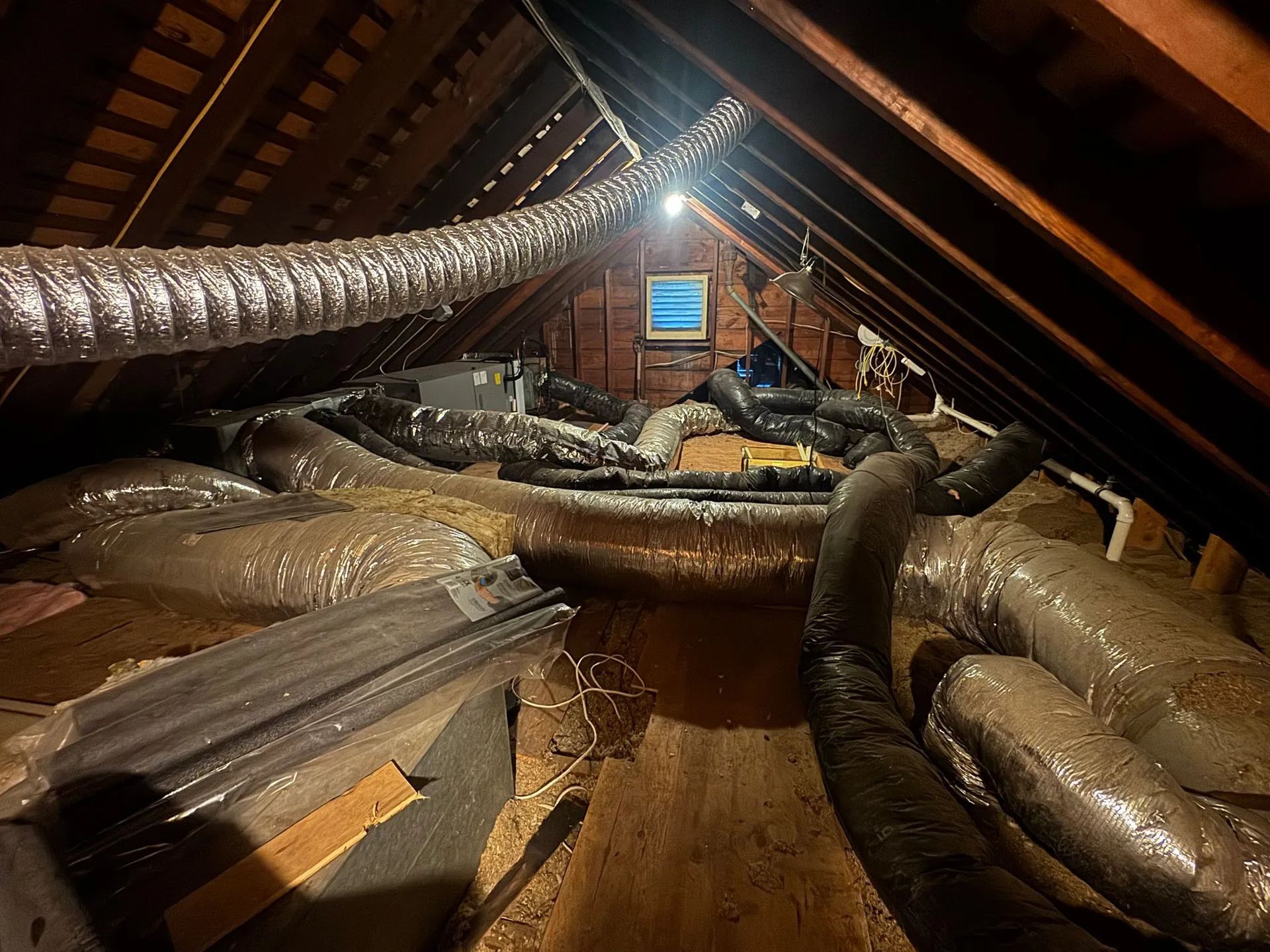
Ductwork and vents are also inspected thoroughly to identify leaks, blockages, or inefficiencies that may negatively impact system performance and airflow distribution.
Electrical and Mechanical Components
HVAC servicing includes inspecting electrical connections, tightening loose wires, and testing system controls to ensure safe and reliable operation. Faulty electrical components can lead to system malfunctions, reduced efficiency, or potential safety hazards if left unaddressed.
Mechanical components such as motors, fans, and belts are carefully checked for wear, alignment, and lubrication needs. Addressing these issues early helps prevent costly repairs, unexpected failures, and extends overall system lifespan.
Refrigerant Levels and Cooling Efficiency
Proper refrigerant levels are essential for efficient cooling and maintaining consistent indoor temperatures throughout the home or building. Low refrigerant levels can reduce system performance, strain components, and increase energy consumption significantly over time. Technicians check for leaks and ensure levels are within recommended ranges for optimal efficiency.
Coils and condensers are also cleaned regularly to improve heat exchange efficiency, which is critical for maintaining consistent indoor temperatures and system performance.
5. Benefits of Regular HVAC Maintenance
Improved Energy Efficiency
One of the most significant advantages of regular servicing is improved energy efficiency across all HVAC system components. Well-maintained systems operate more smoothly, requiring less energy to achieve desired indoor temperatures consistently. This translates to lower utility bills, reduced strain on equipment, and minimized environmental impact over time.
Extended Equipment Lifespan
Routine maintenance helps prevent premature wear and tear, allowing HVAC systems to operate effectively for longer periods without major issues. Addressing minor issues early reduces the likelihood of major component failures, costly replacements, and unexpected downtime.
Enhanced Indoor Air Quality
Clean filters and properly functioning systems contribute to better indoor air quality by reducing dust, allergens, and airborne pollutants circulating indoors. This is particularly important for households with individuals who have respiratory conditions, allergies, or sensitivities.
Reduced Risk of Breakdowns
Unexpected system failures can be inconvenient, disruptive, and costly, especially during extreme weather conditions. Regular inspections help identify potential issues before they escalate, ensuring reliable operation and consistent comfort throughout the entire year.
6. Best Practices for Scheduling HVAC Service
Establishing a Maintenance Plan
Monitoring System Performance
Working with Qualified Professionals
Choosing experienced HVAC professionals is critical for effective maintenance, accurate diagnostics, and long-term system performance. Skilled technicians have the expertise to identify potential issues, perform thorough inspections, and provide reliable, long-lasting solutions.
Regular servicing by qualified professionals ensures that systems operate safely, efficiently, and consistently, delivering reliable comfort throughout the year in all seasons.
Skilled HVAC Technicians Delivering Consistent System Performance
Determining how often to service an HVAC system in Boonton, NJ depends on several factors, including seasonal demands, system age, and usage patterns. However, a consistent biannual maintenance schedule remains the most effective approach for ensuring optimal performance and reliability. Regular servicing not only improves energy efficiency but also extends equipment lifespan, enhances indoor air quality, and reduces the risk of unexpected breakdowns. By understanding the unique demands of local climate conditions and implementing a proactive maintenance plan, property owners can protect their investment while maintaining year-round comfort.
At Brandy's Heating & Cooling, we bring 17
years of hands-on experience delivering reliable
HVAC solutions to homeowners and businesses in Boonton, New Jersey. As a dedicated HVAC contractor, we prioritize precision, efficiency, and long-term system performance in every service we provide. Our approach focuses on proactive maintenance, ensuring that heating and cooling systems operate at peak efficiency throughout every season. We understand the unique climate challenges of the area and tailor our services to meet those demands effectively. Whether it is routine maintenance, system inspections, or performance optimization, we are committed to delivering dependable results that enhance comfort and reduce operational costs. Our experience, attention to detail, and customer-focused approach make us a trusted choice for maintaining HVAC systems and ensuring consistent indoor comfort year-round.